Smart Toilet Upgrade: Auto Lid, Auto Flush, Heated Bidet
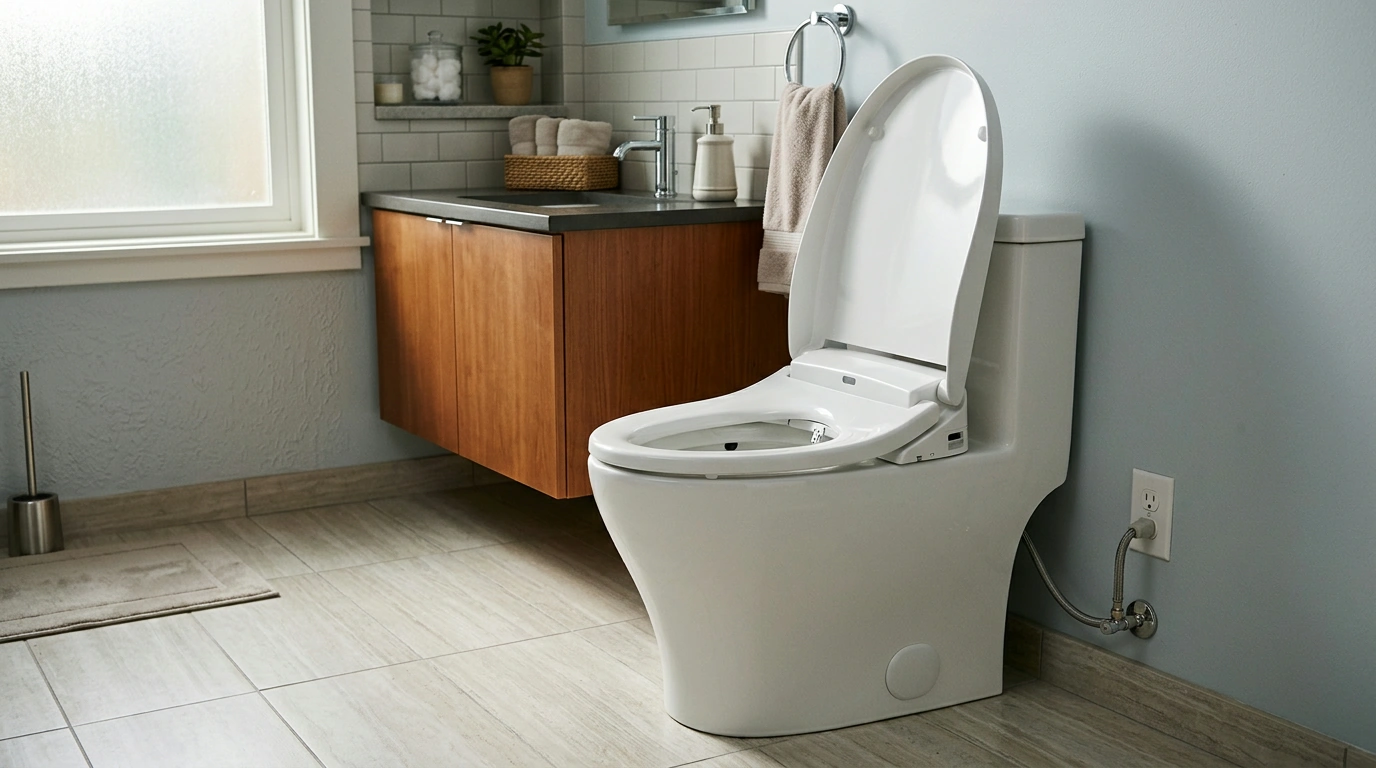
Smart Toilet Comfort Upgrade: Auto Open/Close, Auto Flush, Heated Seat, and Built‑In Bidet
A modern smart toilet can make everyday bathroom routines cleaner, quieter, and more comfortable—especially with hands-free lid operation, automatic flushing, a warm seat, and a bidet that reduces reliance on toilet paper. The right setup can also cut down on touch points in a shared bathroom and make the space feel more “set-and-forget.” Below is a practical breakdown of what these features do, what to check before buying, and how to plan for installation and long-term care.
What Makes a Toilet “Smart” in Daily Use
“Smart” features aren’t just gadgets—they’re quality-of-life upgrades that show up in small moments throughout the day. A lid that opens when you approach, a bowl that flushes consistently, and a seat that’s warm in winter can make the bathroom feel more welcoming while also supporting better hygiene habits.
- Hands-free lid operation reduces touch points and keeps the bathroom feeling more hygienic, especially for kids and guests.
- Automatic flushing helps prevent forgotten flushes and keeps odors and staining down with more consistent bowl clearing.
- A heated seat adds comfort in colder seasons and can be adjusted to suit different household preferences.
- Integrated bidet washing can improve cleanliness and comfort while reducing toilet paper usage.
- Intelligent controls often include adjustable water temperature, spray position, pressure, and user-friendly settings for different body types.
Core Features and Practical Benefits
| Feature | What it does | Why it matters at home |
|---|---|---|
| Auto open/close lid | Opens when someone approaches; closes after use | Fewer touch points; easier for kids and seniors |
| Auto flush | Triggers a flush after use | Cleaner bowl; fewer missed flushes |
| Heated seat | Warms the seat to a set temperature | Comfort in cold bathrooms; better year-round experience |
| Bidet wash | Front/rear wash with adjustable settings | Improved hygiene; less toilet paper |
| Intelligent controls | Personalized settings and modes | More consistent comfort for multiple users |
Feature Breakdown: Auto Open/Close and Auto Flush
Auto lid and auto flush are often the first features people notice because they change how the bathroom “flows” for everyone—especially in busy households.
- Sensing method matters. Motion or proximity sensing is typically used for lid control; placement and sensitivity affect how reliably it triggers.
- Manual override is a must-have. Look for a manual option for power outages or when quiet operation is preferred at night.
- Auto flush should be consistent, not jumpy. Auto flush may be sensor-based or timing-based; better designs avoid false flushes while still clearing consistently.
- Soft-close saves noise and hardware. Soft-close mechanisms reduce noise and help protect the lid and hinges over time.
- Layout can affect performance. Tight clearances can impact lid movement and sensor behavior, so measure the space—not just the rough-in.
If water efficiency is a priority, compare flush performance and efficiency standards; the EPA’s WaterSense bathroom fixtures resource is a helpful reference point when evaluating water-saving options.
Heated Seat and Bidet: Comfort, Hygiene, and Settings That Matter
A heated seat and bidet can turn the bathroom into a comfort-first space, but the details—temperature stability, nozzle design, and easy cleaning—are what separate a satisfying experience from a finicky one.
For hygiene fundamentals beyond the toilet itself, the CDC’s guidance on handwashing and hygiene is a useful reminder that cleaner routines are a combination of surfaces, habits, and good cleaning practices.
Installation Planning: Electrical, Plumbing, and Fit Checks
- Power: Many smart toilets require a nearby GFCI outlet; confirm outlet location and cord reach before purchase. If you’re unsure what qualifies, the CPSC overview of GFCIs explains why they’re commonly used in bathrooms.
- Water supply: Verify shutoff valve access and supply line condition; replacing an older valve can prevent future leaks.
- Rough-in measurement: Check the distance from the wall to the center of the floor drain to ensure proper fit.
- Floor and flange condition: An uneven floor or worn flange can cause rocking or sealing problems; address before installation.
- Ventilation: Better airflow helps manage humidity and odors, supporting electronics and keeping the bathroom fresher.
Cleaning and Maintenance for Long-Term Reliability
Is a Smart Toilet a Good Fit for Your Household?
Product Spotlight: Smart Toilet with Auto Open and Flush, Heated Seat, Bidet, and Intelligent Features
Recommended upgrade option:
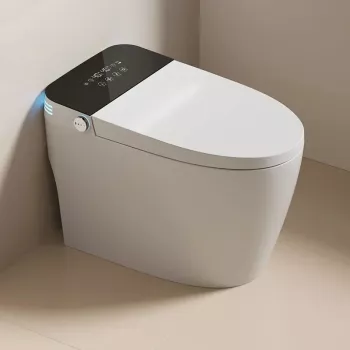
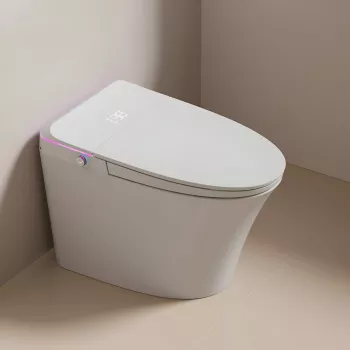
Smart Toilet with Auto Open and Flush, Heated Seat, Bidet, and Intelligent Features
- Colorful Silicone Fruit Coasters Set – Non-Slip, Heat-Resistant Drink Mats
- Crystal Film Peacock Feather Pattern Wall Stickers for Home Decor
Quick Specs to Confirm Before Ordering
| Check item | Why it matters |
|---|---|
| Rough-in distance and bathroom clearances | Ensures the toilet fits and the lid opens freely |
| Nearby GFCI outlet | Powers heating, sensing, and controls safely |
| Water shutoff valve and supply line condition | Reduces leak risk and improves install reliability |
| Water hardness level (local) | Helps plan descaling frequency for bidet performance |
FAQ
What happens if the power goes out?
Most smart toilets are designed to remain usable, but hands-free features like heating, sensing, and bidet washing may stop until power returns. Look for manual controls or a documented “power-off” mode, and confirm the exact behavior in the product manual.
Do smart toilets require special cleaning products?
No—non-abrasive bathroom cleaners are typically best, while harsh chemicals and rough scrubbers can damage finishes, plastics, and sensors. If your water is hard, periodic descaling is important to keep the bidet spray and internal passages working smoothly.
Will a smart toilet fit any bathroom?
Fit depends on the rough-in measurement, side-to-side clearance, and enough room for the lid to open without hitting a wall or vanity. You’ll also need access to a nearby GFCI outlet and a standard water supply connection with a reachable shutoff valve.








Leave a comment