Mini Silicone Bottle Scraper Set: Get Every Last Drop
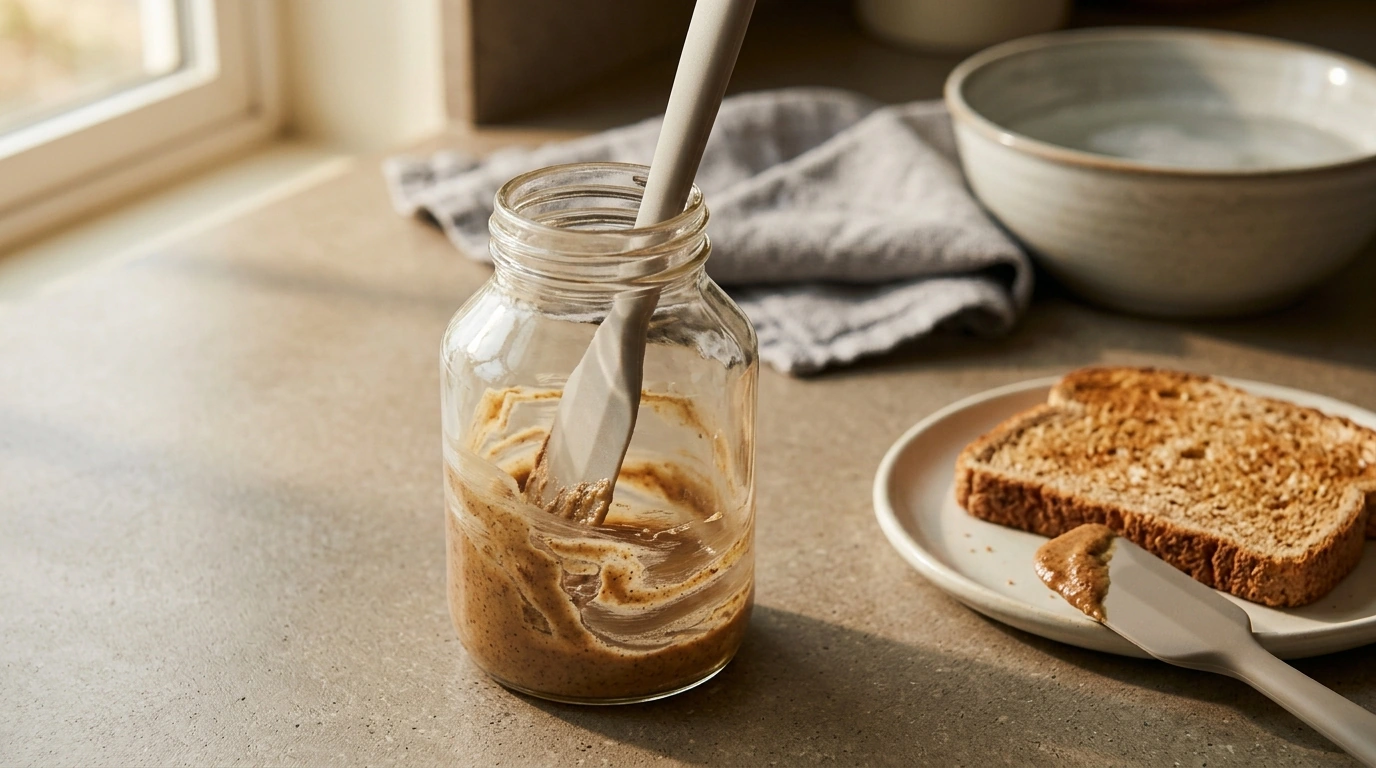
Mini Silicone Bottle Scraper & Spatula Set – a Small Tool That Helps You Use More and Waste Less
This mini silicone bottle scraper and spatula set is made for those frustrating last servings that cling to jar walls, hide in bottle shoulders, or stay trapped below a narrow neck. With a slim profile for reaching tight spaces and a spatula edge for spreading and smoothing, it’s a practical add-on for kitchens, beauty routines, travel kits, and everyday household tasks—especially when “just one more use” is still stuck inside the container.
What This 2-in-1 Set Is Used For
Thick, sticky, or creamy products love to hang on to container corners. A mini scraper helps pull usable product out so it ends up where it belongs: on your plate, in your recipe, or in your routine.
- Scrapes the last bit of product from bottles and jars (condiments, nut butter, honey, lotion, shampoo, foundation).
- Reaches into narrow openings where standard spatulas cannot fit.
- Spreads and smooths product onto surfaces (toast, pans, mixing bowls, skincare mixing palettes).
- Helps reduce product waste by getting more usable content from each container.
- Works as a small multi-purpose tool for travel kits, lunchboxes, and compact kitchens.
If you regularly buy products in jars or pump bottles, a mini scraper can quickly become one of those “how did I go without this?” helpers.
Design Highlights That Make It Effective
The best part of a mini bottle scraper isn’t just that it’s smaller—it’s that the shape and flexibility are tuned for control in places where full-size tools feel clumsy.
- Mini head size improves control for precision scraping and detail work.
- Flexible silicone edge conforms to container curves for more complete emptying.
- Slim handle profile is easy to guide into bottle shoulders and corners.
- 2-in-1 functionality supports both scraping (narrow) and spatula tasks (wider smoothing edge).
- Silicone material is gentle on container walls and helps avoid scratching compared with metal tools.
That flexibility matters most with rounded jars and bottles where product settles into curves that a spoon can’t match.
Where It Helps Most: Kitchen, Bathroom, and Beyond
Because silicone is easy to rinse and works well with thick textures, this set can support multiple routines—just keep food and personal-care use separate for cleanliness.
Kitchen uses
- Mayonnaise jars, peanut butter jars, pasta sauce, yogurt cups, baby food jars.
- Cooking oils or syrups with narrow necks where a normal spatula can’t reach.
- Spreading: jam, cream cheese, nut butter, and finishing the last swirl of sauce from a jar.
Bathroom and vanity uses
- Lotions, conditioners, hair masks, body scrubs, toothpaste tubes (for smoothing and portioning).
- Moisturizers, masks, serums in pump bottles, foundations in narrow containers.
Crafts and home uses
- Small amounts of paint, glue, resin mixes, or cleaning concentrates in small bottles (use separate tools if cross-using).
- Quick scraping and smoothing for small DIY touch-ups where precision matters more than volume.
Travel uses
- Ideal for decant bottles and small containers where every drop counts.
Care and Cleaning Tips
Sticky products are easier to clean when they haven’t had time to dry or set. A little routine care keeps silicone tools ready for the next use.
For general storage and handling reminders—especially when you’re scraping the last bits of refrigerated foods—review the basics from the USDA Food Safety and Inspection Service.
Quick Comparison: This Mini Set vs Common Alternatives
| Tool Type | Best For | Limitations |
|---|---|---|
| Mini silicone bottle scraper + spatula | Narrow bottles, jar corners, thick products | Not intended for heavy mixing or high-heat cooking unless specified |
| Standard silicone spatula | Mixing bowls, batter, pan scraping | Often too wide for bottles and narrow jars |
| Spoon or butter knife | Quick jar scooping | Misses curved corners; may scratch; awkward in tight necks |
| Disposable mini spatulas | Single-use samples or travel | Ongoing waste; may bend or break; recurring cost |
Reducing disposables is also a simple way to cut repeat waste over time; the EPA’s reducing and reusing basics provides a helpful overview of how small swaps add up.
Practical Ways to Reduce Waste With This Set
When using tools with foods and packaging materials, it’s also useful to understand the idea of food-contact substances; the U.S. Food & Drug Administration offers background information.
Best Fit For
Featured Picks (In Stock)
- Mini Silicone Bottle Scraper & Spatula Set – 2-in-1 Eco-Friendly Tool (budget-friendly mini tools designed for narrow containers and clean scraping)
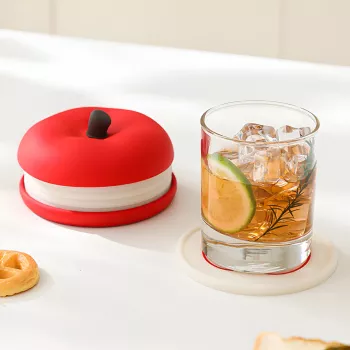
- Colorful Silicone Fruit Coasters Set – Non-Slip, Heat-Resistant Drink Mats (a cheerful silicone add-on to help keep counters and tables cleaner)
FAQ
Can it reach into narrow-neck bottles like shampoo or sauce bottles?
The slim profile is designed to fit into many narrow openings, and the flexible silicone edge helps sweep product from bottle shoulders and corners. Extremely tight necks can still be challenging, so it’s smart to compare the tool width to your bottle opening before buying.
Is silicone safe to use with food?
Food safety depends on the manufacturer’s specifications for the specific product, so confirm the listing details if you plan to use it with food. For best hygiene, keep one set dedicated to food and a separate set for personal care items.
How should it be cleaned after sticky products like honey or lotion?
Rinse promptly to prevent residue from drying, then wash with warm soapy water; a small brush can help clean any tight creases. Dry completely before storing, and keep food-use and personal-care tools separate when possible.










Leave a comment