Best Soup Spoon Material: Stainless vs Silicone, Wood
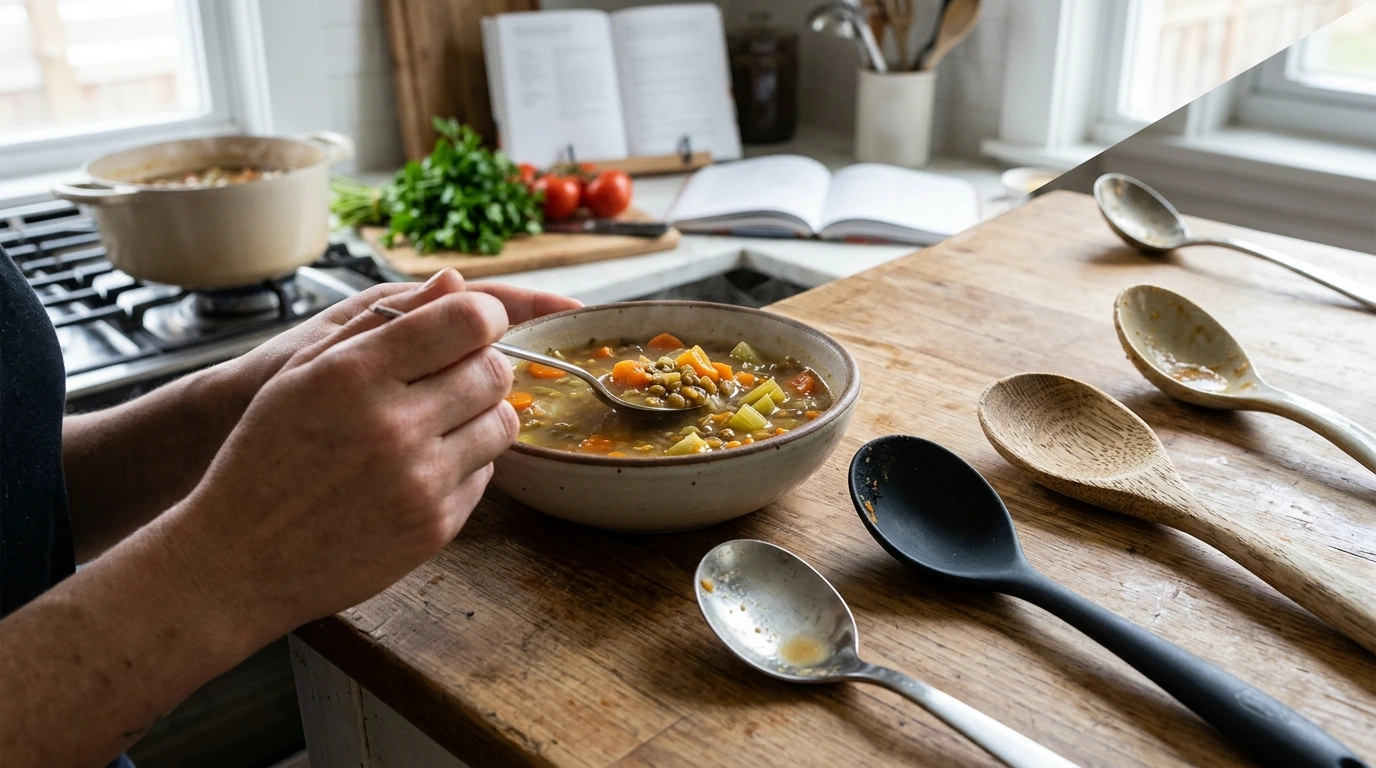
What’s the best material for a soup spoon?
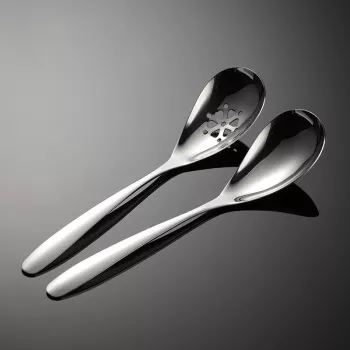
The best material for a soup spoon is typically stainless steel, especially 18/10 stainless (18% chromium, 10% nickel). It’s durable, resists rust and staining, won’t absorb flavors, and holds up well to dishwashers and daily use. For most kitchens, it’s the easiest “buy once, use for years” option.
Why stainless steel usually wins
Soup spoons get frequent exposure to heat, liquids, acids (tomato-based soups), and detergents. Stainless steel handles all of that with minimal fuss. A well-finished stainless spoon also feels smooth at the lips, has a balanced weight, and won’t chip like some coated options.
When another material makes more sense
If comfort and heat sensitivity matter most, silicone-tipped or fully silicone spoons stay cooler than metal and are gentle on nonstick cookware. For a classic, lightweight feel, ceramic soup spoons are popular with ramen and pho, but they can chip or break if dropped. Wooden spoons are warm to the touch and won’t scratch pots, yet they can retain odors and need more careful cleaning and drying.
Quick buying tips for the right feel
Look for a spoon bowl that’s deep enough to hold broth without spilling, with edges that aren’t sharp. If you prefer a substantial, restaurant-style feel, choose heavier-gauge stainless. If you’re serving hot soup to kids or want something quiet against bowls, consider silicone or ceramic.
For a deeper breakdown of pros, cons, and what to choose for your table, visit the main guide on the best material for a soup spoon.
For Best Soup Spoon Material: Stainless vs Silicone, Wood, the best answer depends on fit, material, care instructions, and how the product will be used day to day.
FAQ
Are ceramic soup spoons safe for hot soup?
Yes, ceramic soup spoons are safe for hot soup and handle high temperatures well. Just avoid sudden temperature shocks (like going from boiling soup to cold water) to reduce the chance of cracking.










Leave a comment