Butterfly Linen Waist Apron with Built-In Hand Wipe
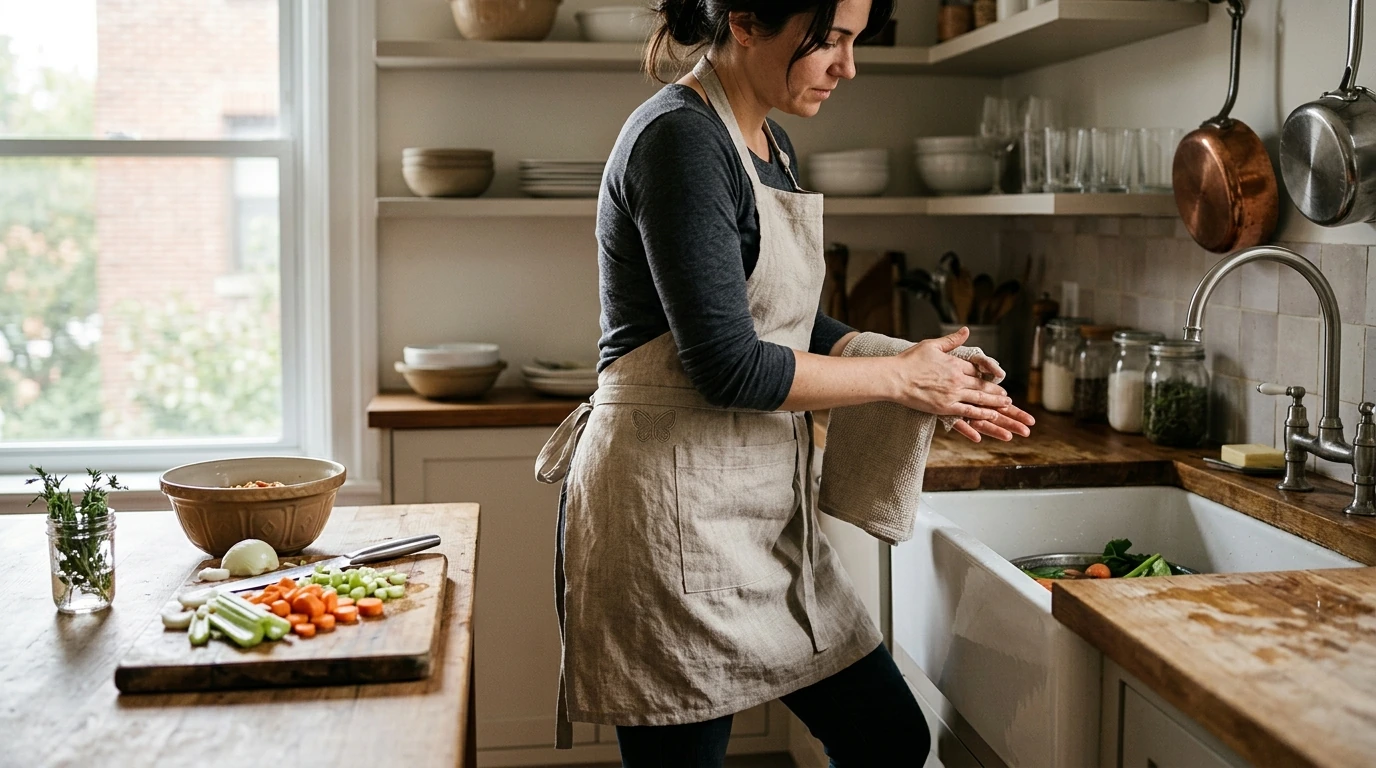
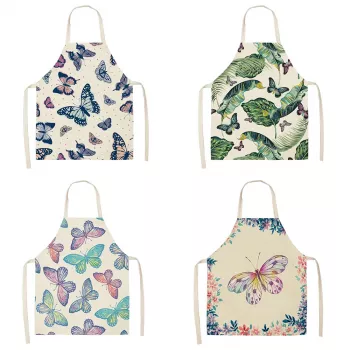
Butterfly Linen Waist Apron with Hand-Wipe Panels for Kitchen & Home
A waist apron that looks refined while keeping hands dry and clean can make everyday cooking, baking, and hosting feel easier. This butterfly-themed linen apron pairs a decorative front with practical hand-wipe sections, helping reduce trips to the towel rack and keeping messes contained during prep and serving. It’s an easy way to stay comfortable at the counter while keeping your workflow moving.
What Makes the Butterfly Waist Apron Different
Unlike full bib aprons, a waist-apron silhouette keeps your upper body unrestricted—useful for quick chopping sessions, stirring on the stove, or plating at the pass. The standout detail is the built-in hand-wipe design, which supports fast drying after rinsing produce, grabbing utensils, or wiping fingertips between tasks.
The butterfly motif adds a light, elegant accent that feels at home in everyday cooking and casual entertaining alike. And because coverage is compact, it’s especially convenient for smaller kitchens, apartment living, and short tasks like coffee prep, unloading the dishwasher, or setting up a snack board.
Best Uses Around the Kitchen and Home
A built-in wipe panel shines during those in-between moments where hands are clean but damp. Instead of reaching for a towel (or worse, wiping on jeans), you can dry quickly and get back to what you’re doing.
- Cooking prep: wipe damp hands before grabbing spice jars, oil bottles, or appliance buttons.
- Baking: keep flour-dusted hands from transferring to drawer pulls, oven handles, and mixers.
- Hosting: use it as a serving apron for snacks and drinks without switching to a full bib apron.
- Cleaning: handy for quick wipe-downs when moving between sink and counter.
- Creative projects: useful for crafts, potting plants, or light DIY tasks where hands need quick drying.
Comfort, Fit, and Everyday Wear
One of the main benefits of a waist tie is how quickly it goes on and off—ideal for short sessions like making breakfast or packing lunches. For day-to-day comfort, pay attention to where it sits: tie it a bit higher on the waist for more control and less shifting, or slightly lower on the hips for a relaxed feel while moving around the kitchen.
Adjust tie tension so it stays in place when bending and reaching without feeling restrictive when you sit or lean into the counter. If you cook often, rotating between aprons can extend fabric life and reduce visible wear from frequent washing.
Materials and Care Tips for Linen Aprons
Linen is valued for breathability and a crisp, natural look that fits both rustic and modern kitchens. It tends to get softer with use while still holding a structured, tidy appearance—great for an apron you’ll reach for regularly.
For care, wash with similar colors and use mild detergent to help preserve the design and texture. Air-drying helps reduce shrink risk and keeps fibers from over-drying; if you prefer using a dryer, stick with low heat. If ironing is your thing, press while the fabric is still slightly damp for a smoother finish.
Stains are easiest to tackle early: blot oils, rinse with cool water for many food stains, and avoid high heat until the stain is fully removed (heat can set it). If you ever need help decoding laundry symbols on a care tag, the ISO overview of textile care symbols is a helpful reference: Textile Care Symbols (ISO 3758) overview.
Quick Care Guide (General Linen Best Practices)
| Task | Suggested Approach | Tip |
|---|---|---|
| Everyday wash | Cold to warm water, gentle cycle | Turn inside out when possible to reduce surface friction |
| Drying | Air-dry or low heat | Remove promptly to limit wrinkles |
| Stain handling | Pre-treat before washing | Avoid high heat drying until stain is fully removed |
| Pressing | Iron on medium while slightly damp | Use steam for creases along edges and ties |
Keeping a Tidy Workflow with a Built-In Hand Wipe
The easiest way to make the hand-wipe panel feel “natural” is to treat it like a designated station. Assign the wipe area for hands only, not counters or dish duty, to keep it more sanitary than a general-purpose towel.
After handling raw ingredients, wash hands first; use the wipe panel only after proper washing. (The USDA’s handwashing guidance is a solid refresher for kitchen routines: USDA Food Safety: Handwashing.) When multitasking, a quick dry helps avoid transferring moisture to cabinet knobs, phones, timers, and refrigerator handles.
Pairing Ideas for a Coordinated Countertop Look
Product Options In Stock
- Butterfly Linen Waist Apron – Elegant Hand Wipe Design for Kitchen & Home — light coverage with integrated hand-wipe functionality for quick kitchen routines.
- Colorful Silicone Fruit Coasters Set – Non-Slip, Heat-Resistant Drink Mats — a bright, practical add-on for iced drinks, coffee mugs, and casual entertaining.
At-a-Glance
| Item | Price | Availability |
|---|---|---|
| Butterfly Linen Waist Apron – Elegant Hand Wipe Design for Kitchen & Home | $2.51 | In stock |
FAQ
Is a waist apron better than a bib apron for cooking?
Waist aprons are great for freedom of movement and quick on/off during short tasks, while bib aprons offer more upper-body protection for frying, heavy splatter, or messier prep. Many home cooks keep both styles and choose based on the day’s menu.
How should a linen apron be washed to keep it looking neat?
Use a mild detergent on a gentle cycle with cold to warm water, avoid high heat drying, and remove promptly to reduce wrinkles. If you iron, pressing while slightly damp helps create a smooth finish—always follow the specific care label when available.
Can the hand-wipe area replace a kitchen towel?
It’s excellent for quick hand drying and can reduce trips to the towel rack, but a separate towel is still useful for larger spills and for keeping sanitation roles separate (hands vs. surfaces).









Leave a comment