Sculptural Polo Shirt & Jacket Ceramic Vase for Dried Stems
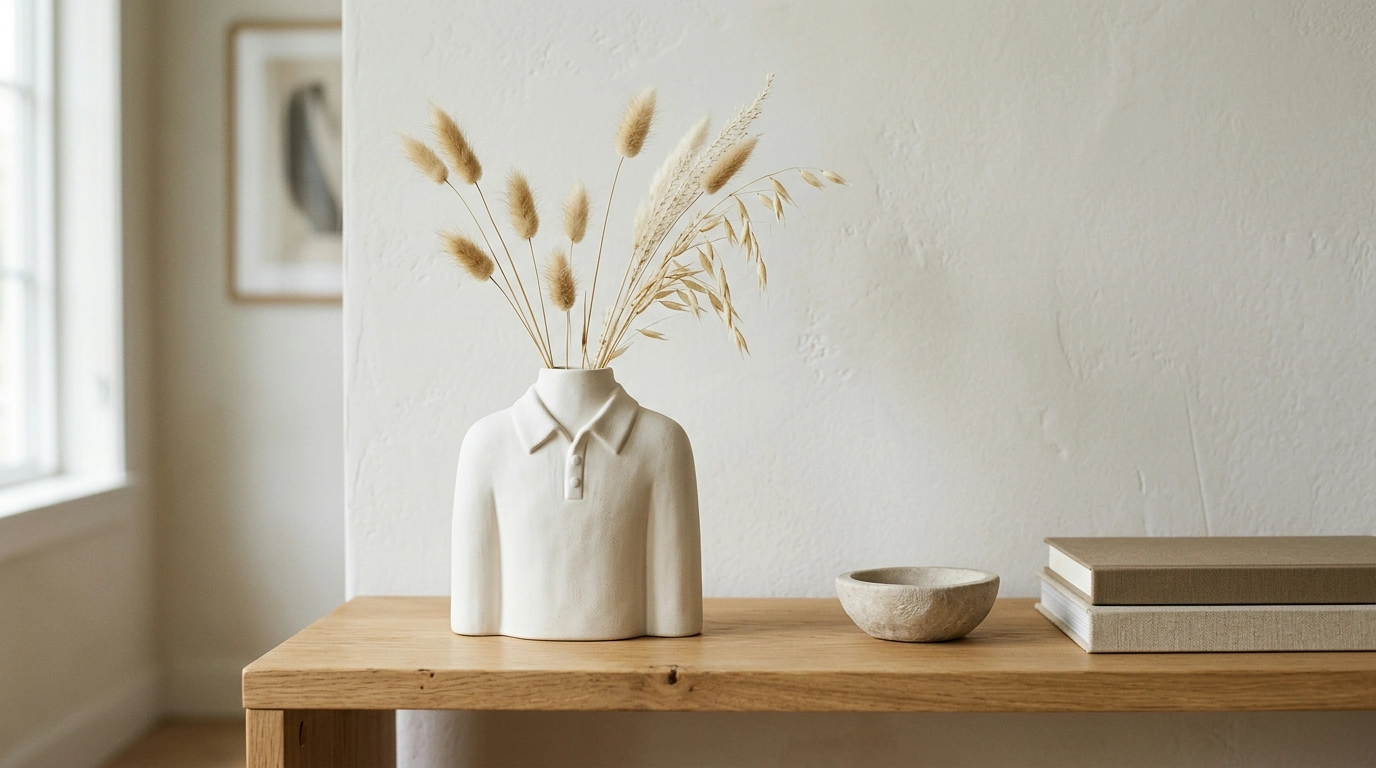
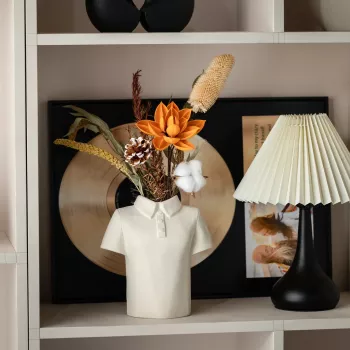
Minimalist Ceramic Polo Shirt & Jacket Vase for Dried Flower Styling
Sculptural and understated, the Minimalist Ceramic Polo Shirt & Jacket Vase adds a modern-art accent while keeping the focus on texture and silhouette. Designed for dried stems, it works as a standalone décor piece on shelves, consoles, and desks—bringing a gallery-like detail to contemporary, minimalist, and eclectic interiors. For more guidance, see Student Work | Galleries | Department of Art | Appalachian State ….
If the goal is a space that feels intentional (not overcrowded), a statement object with clean lines can do more than a dozen small accessories. This vase leans into that idea: it reads like a small ceramic sculpture first, and a vessel second—perfect for dried arrangements that stay put and keep their shape over time. For further reading, see Wall Prints Home Decor Various Sizes Minimalist Boho Wall Art With ….
What Makes This Vase Feel Like Modern Art
- Wear-inspired form with a clear silhouette: The polo shirt and jacket shape is instantly recognizable, which gives the piece a playful, design-forward presence—like a mini sculpture that happens to hold stems.
- Minimal profile that plays well with modern materials: The clean outline pairs easily with wood, glass, concrete, and metal. It also complements neutral palettes without disappearing into them.
- Looks finished even with no stems: In small spaces, every object has to earn its place. This vase can act as décor on its own, so it doesn’t feel like something is “missing” when it’s empty.
- Conversation-worthy without being ornate: It stands out in entryways, on bookshelves, or on a coffee table, but the restrained shape keeps the look calm rather than fussy.
For a deeper appreciation of how ceramics have been used as functional objects and art across time, the Metropolitan Museum of Art’s overview of ceramic art is a helpful reference: Ceramic Art (Heilbrunn Timeline of Art History).
Best Ways to Style It With Dried Flowers
- Start with 3–7 stems: This range usually looks balanced while keeping the ceramic silhouette as the focal point. Fewer stems tend to look more “gallery,” while more stems look softer and more decorative.
- Use airy textures for contrast: Bunny tails, lagurus, and wispy grasses soften the crisp ceramic outline and create a pleasing mix of hard/soft elements.
- Try a monochrome arrangement: Bleached ruscus, pampas plumes, or natural oats keep the look quiet and architectural.
- Add one bold note (only if the room can handle it): In colorful or eclectic spaces, a single contrasting stem can pop—while the rest stays neutral to avoid visual clutter.
- Choose a clean backdrop: A plain wall, negative space on a shelf, or a row of books behind it helps the sculptural outline read clearly.
Dried stem pairings that suit a sculptural ceramic vase
| Stem type | Look it creates | Placement idea |
|---|---|---|
| Bunny tails (lagurus) | Soft, minimal texture | Desk, bedside table |
| Pampas (small plumes) | Airy volume without clutter | Console table, entryway |
| Dried eucalyptus | Clean lines and gentle curves | Shelf styling with books |
| Palm spear (dried) | Graphic, modern silhouette | Corner shelf, sideboard |
| Ruscus (bleached/natural) | Light, architectural fill | Coffee table centerpiece |
To help dried stems last and look their best, keep them out of humid areas and direct sun, and handle them gently. Smithsonian Gardens shares practical tips here: Caring for Dried Flowers.
Where It Fits in the Home
- Entryway: Style it with a catchall tray and a small stack of books for a polished first impression. Keep stems short so the display doesn’t feel crowded near the door.
- Living room: Place it on a sideboard or floating shelf as a sculptural break between framed art, candles, and other low-profile décor.
- Bedroom: A quiet accent on a nightstand—especially in tonal bedding setups. Use a few stems with soft texture for a calm, uncluttered mood.
- Home office: Creates a clean visual anchor on a desk or credenza without reading as “floral-heavy,” which keeps the workspace feeling focused.
- Kitchen/dining: Works on open shelving or a bar cart; stick with minimal stems to avoid visual noise around everyday items.
Care and Handling for Ceramic Décor
- Dust often, lightly: A soft, dry cloth keeps the surface crisp and prevents buildup in seams and contours.
- Avoid abrasives: Skip gritty cleaners and rough sponges that can mark smooth ceramic finishes.
- Use mild soap when needed: If deeper cleaning is necessary, wash gently with mild soap and water, then dry thoroughly—especially before placing it back on wood or painted surfaces.
- Protect delicate surfaces: Felt pads or a soft coaster under the base help reduce scratching on polished furniture.
- Choose a stable spot: Sculptural pieces look best where they won’t be bumped—away from edges and high-traffic paths.
Gift Ideas and Occasions
A Simple Styling Set: Small Details That Make It Look Curated
Shop the Look: Modern Accents That Pair Well
- Minimalist Ceramic Polo Shirt & Jacket Vase – Modern Art Decor for Dried Flowers ($28.97)
- Colorful Silicone Fruit Coasters Set – Non-Slip, Heat-Resistant Drink Mats ($12.67)
- Crystal Film Peacock Feather Pattern Wall Stickers for Home Decor ($14.67)
FAQ
Can this vase be used with fresh flowers and water?
It’s best suited for dried stems. If you want to try fresh flowers, consider using a separate watertight insert; prolonged water exposure can risk seepage or surface damage depending on the interior finish.
How many dried stems look best in a sculptural vase like this?
About 3–7 stems usually looks best. Fewer stems highlight the ceramic silhouette, while thicker or taller stems may look balanced with fewer pieces overall.
How should ceramic décor be cleaned without damaging the finish?
Dust with a soft, dry cloth for routine care. For deeper cleaning, use mild soap and water, avoid abrasive scrubbers, and dry completely; felt pads under the base can help protect delicate surfaces.







Leave a comment