Toddler Backyard Playhouse: Slide, Climb, Kitchen + Table
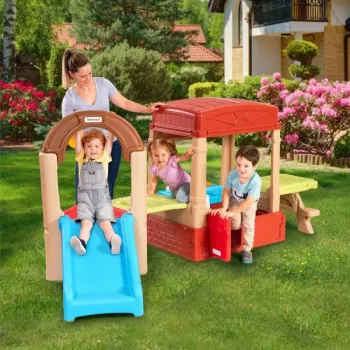
Sunny Slide and Climb Playhouse with Kitchen & Picnic Table: one backyard “yes spot” for toddlers
Turn everyday outdoor time into a mini adventure with our Sunny Slide and Climb Playhouse with Kitchen, Picnic Table & Toddler Activity Center. Built for busy little bodies and big imaginations, it brings climbing, sliding, pretend cooking, and snack-time seating into one dedicated play zone—so you can give your toddler a consistent place to move, explore, and “host” their own backyard café without needing multiple bulky toys spread across the yard.
What this playhouse adds to a toddler’s day
Toddlers tend to bounce between high-energy movement and quieter “I’m doing something important” moments. A combined slide/climb + kitchen/table setup supports that natural rhythm.
- Keeps active play and pretend play in one place, making it easier for your child to rotate between movement and calm moments without needing you to re-set the whole yard.
- Creates a predictable outdoor “play destination,” which can help toddlers settle into independent play faster than when toys are scattered.
- Encourages social play: one child can take a turn climbing/sliding while another sets up kitchen or picnic-table play.
- Supports early routines through role-play like “make lunch,” “serve snacks,” and “clean up.” Those mini scripts often translate into smoother transitions indoors, too.
How kids actually use it (beyond the first day)
Novelty is great, but the best toddler play setups keep working once the “new toy” excitement fades. Here are patterns our team sees families come back to again and again:
- Slide-and-repeat energy bursts: toddlers naturally loop climb → slide → run back, burning energy in short, satisfying cycles.
- Kitchen role-play that grows: “stir and serve” can evolve into naming foods, practicing manners, and taking turns (“Now you’re the chef.”).
- Picnic table moments: a built-in spot for water breaks, bubbles, stickers, or a quick snack helps play last longer because your toddler doesn’t have to leave the play zone.
- Mini challenges: you can gently coach skills—one more step, one careful turn, one confident slide—without turning it into “practice.”
Where it fits best: placement tips for safer, smoother play
Good placement makes a big difference in how often you actually use an outdoor activity center—and how smoothly play flows when multiple kids are around.
- Choose a clear zone. Leave open space around the slide exit and near the climbing side so kids don’t collide with furniture, fences, or each other.
- Pick a stable surface and keep the area tidy. Clear hoses, tools, and loose yard items that can become trip hazards.
- Set it where supervision is easy. If you can see it from a patio chair or through a kitchen window, you’ll get more mileage out of it on busy days.
- Plan for sun and heat. On hot days, aim for cooler hours and do a quick touch-check of play surfaces before you let your toddler climb or slide.
For broader playground safety and outdoor play guidance, you can also review the CPSC Public Playground Safety Handbook and the American Academy of Pediatrics’ tips on outdoor safety.
A simple “activity center” routine that keeps toddlers engaged
If you’ve ever watched a toddler melt down the moment you suggest a transition, you already know the value of a predictable sequence. This playhouse makes it easy to run the same loose routine outdoors—movement first, then pretend play, then a quick break.
Quick play schedule ideas
| Time block | What to do | Why it works |
|---|---|---|
| First 10 minutes | Climb → slide loops | Lets toddlers burn initial energy and settle into play |
| Next 10–15 minutes | Kitchen role-play (cook/serve/pretend wash) | Builds imagination and early language skills |
| 2–3 minutes | Picnic table break (water/snack) | Prevents overstimulation and keeps play going longer |
| Last 5 minutes | One final slide + simple tidy-up | Creates an easy ending routine and reduces resistance to stopping |
What to look for before ordering for your space
- Measure beyond the footprint. You want room for safe movement around the playhouse, especially at the bottom of the slide and near any climbing entry.
- Think about how many kids will play at once. Having both movement features and a table area helps reduce crowding because kids can split into parallel play.
- Plan a home for accessories. A small bin near the door or patio keeps cups, toy food, and bubble wands from turning the yard into a scavenger hunt.
- Match placement to your real routine. If outdoor play usually happens right after daycare or dinner, put it where it’s quick to access and simple to supervise.
Care, upkeep, and everyday safety habits
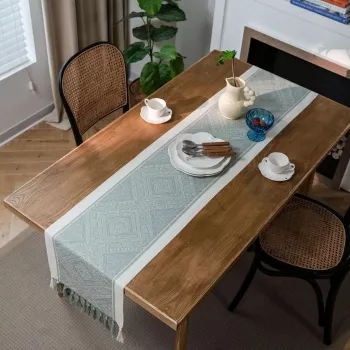
If you want a small add-on that makes snack breaks feel “special” (and helps protect surfaces), our team likes pairing the picnic table with our Colorful Silicone Fruit Coasters Set – Non-Slip, Heat-Resistant Drink Mats for water cups during outdoor play.
FAQ
Is this playhouse better for one child or can siblings share it?
Siblings can share it well because one child can focus on the slide/climb while another uses the kitchen or picnic table for parallel play. You’ll still want to supervise and reinforce one-at-a-time on the movement features to keep turns smooth and safe.
What’s a good surface to place a toddler slide-and-climb playhouse on?
A flat, stable surface in a clear area works best, with enough open space around the slide exit and climbing side. Keep the zone free of trip hazards and follow general playground guidance for spacing and appropriate cushioning for your setup.
How do you keep toddlers interested after the novelty wears off?
Rotate simple pretend prompts like “breakfast café,” “restaurant pickup,” or “grocery stand,” and keep the routine consistent—motion first, then kitchen play, then a quick table break. Storing a small set of accessories in an easy-to-reach bin also makes it far more likely you’ll actually use the kitchen feature regularly.








Leave a comment